

An IPTV Reseller Referral Program rewards an existing customer or sub-reseller for bringing in someone new who actually pays, usually through a cash payout, free credits, or a discount on their own renewal. The reward only makes sense once the referred person converts and stays long enough to be worth the cost of getting them, which is the part most UK IPTV resellers skip over when they first set one up.
The mistake that shows up most often is launching a programme with no clear definition of what counts as a “successful” referral. Does it trigger on signup, on first payment, or after the customer survives a full billing cycle without a chargeback? Get that wrong and you end up paying out rewards for accounts that cancel within days, which turns a growth tool into a quiet drain on margin.
How an IPTV Reseller Referral Program Works in Practice
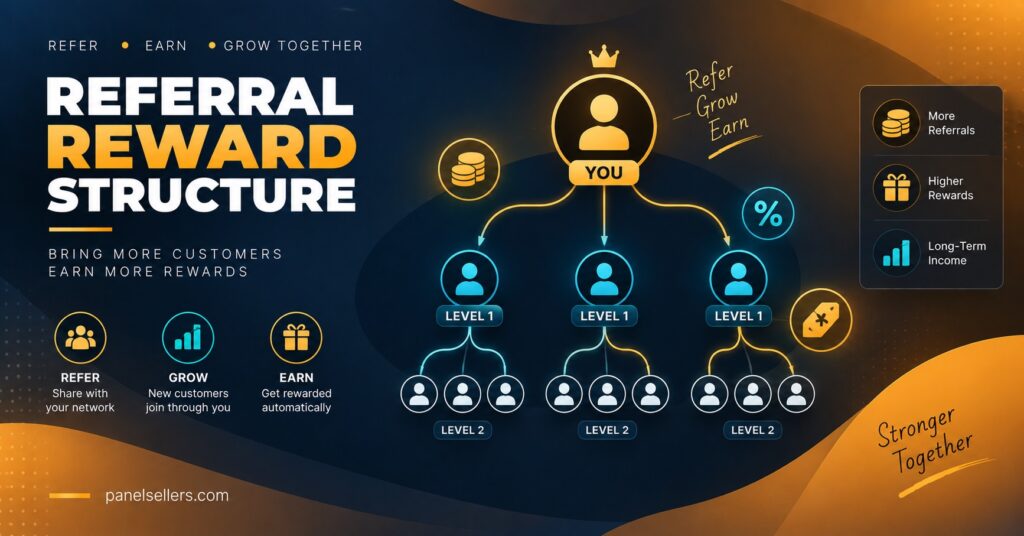
The mechanics are simple on paper. An existing customer shares a code, link, or username with someone they know. That person signs up and pays, the system or the reseller logs the connection, and the referrer gets their reward once the conditions are met. In practice, most resellers running this manually track it through a spreadsheet or a note against the customer’s account in their dashboard, since dedicated referral tracking is not something every reseller panel includes out of the box.
The part that trips people up is timing. A reward paid the moment someone signs up ignores the fact that a meaningful share of new signups never make a second payment. Waiting until after the first renewal is more common among resellers who have been burned by early payouts on accounts that turned out to be short-lived.
Choosing the Reward: Cash, Credits or Discounted Renewals
There is no single right answer here, and the choice usually depends on how the reseller’s own costs are structured.
| Reward Type | Works Well When | Watch For |
|---|---|---|
| Free credits | Reseller already buys credits in bulk | Credits still cost money even if no cash changes hands |
| Cash payout | Referrers are sub-resellers or active affiliates | Needs a clear payment process and record keeping |
| Discounted renewal | Referrer is a regular subscriber | Reduces recurring revenue rather than one-off cost |
Credits feel free because no invoice is generated, but they are drawn from the same stock a IPTV panel reseller pays for, so the cost is real even if it never appears as a cash outflow. A discount on renewal is often the gentlest option for subscriber-level referrals, since it reduces future revenue slightly rather than creating an upfront payment obligation.
Set the Rules Before You Launch
A referral programme without written rules tends to cause disputes the moment real money is involved. At minimum, decide and write down what counts as a qualifying referral, how long a referrer has to wait before claiming a reward, whether self-referrals through a second account are excluded, and what happens if the referred customer cancels shortly after the reward is paid.
Cooldown periods matter more than they seem to at first. Waiting one full billing cycle before releasing a reward filters out a large share of accounts that were never going to stick around, without punishing referrers who bring in genuinely committed customers. It costs a little in delayed gratification for the referrer, but it protects the reseller from paying twice, once for the trial or discount given to the new customer, and again for the referral reward itself, on an account that never generates real revenue.
Where Referral Programs Quietly Break Down
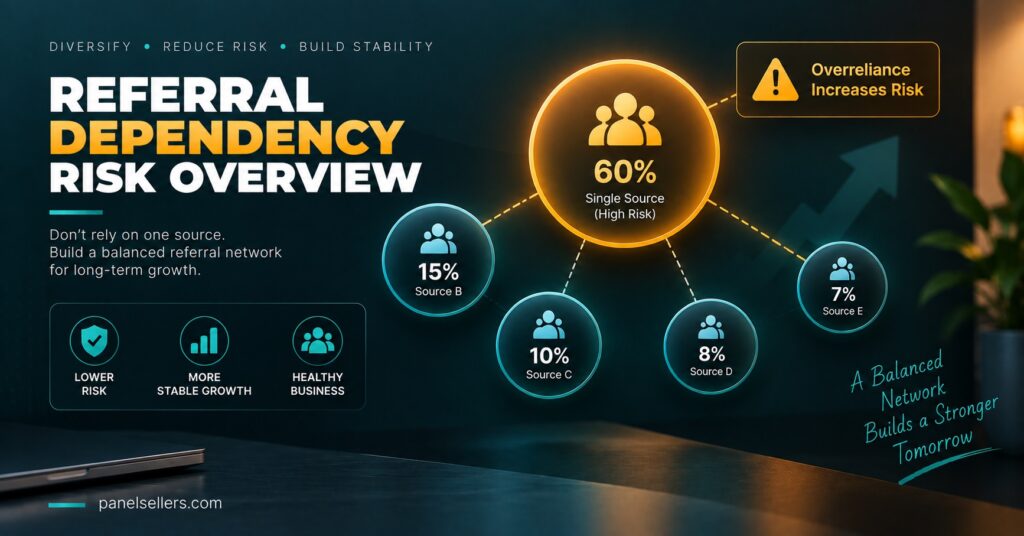
The most common failure point is dependency on a handful of active referrers. If two or three people are responsible for most new signups through the programme, losing one of them because they stop reselling, switch providers, or simply lose interest removes a chunk of the pipeline with no warning. Treating referral volume as a stable channel rather than a bonus on top of other acquisition work tends to catch resellers out later.
Fraud is the second failure point, usually in the form of a referrer creating throwaway accounts to trigger rewards without bringing in a real customer. Requiring a working payment method and a completed billing cycle before any reward is released removes most of the incentive to do this, since there is no longer a quick way to profit from a fake signup.
Pro tip: Cap how many rewards a single referrer can claim within a short window, such as a week or a month. A sudden spike from one source is worth checking manually before paying out, rather than assuming it reflects genuine growth.
Referral Growth Compared With Paid Advertising
Referral growth tends to arrive in small, steady numbers rather than sudden spikes, and it carries a lower upfront cost since nothing is spent until a referral actually converts. The trade-off is that it rarely scales quickly on its own. A reseller relying entirely on referrals to grow will usually plateau once their existing customer base stops producing new introductions.
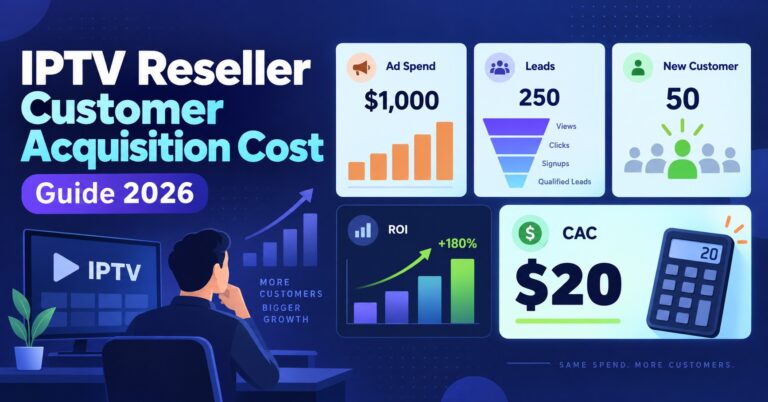
This is why referral programmes work best as one part of a broader approach rather than the only acquisition method. Reviewing how customer acquisition cost is actually calculated makes it easier to see where referral rewards sit relative to other spending, since the commission paid out is a real cost even though it looks different from an advertising invoice.
Running Referral Terms Alongside a Sub-Reseller Network
Resellers who operate through sub-resellers face an extra layer of complexity, since a sub-reseller referring a customer is a different situation from a subscriber referring a friend. Sub-reseller referral terms usually need to account for ongoing commission on the account rather than a one-off reward, since the sub-reseller may continue supporting that customer long after the initial signup.
It is worth deciding early whether sub-resellers get the same terms as regular subscribers or a separate structure entirely. Mixing the two without a clear distinction tends to cause confusion about who is owed what, particularly once a reseller’s dashboard and permission system is shared across multiple people managing their own customers.
Funding referral rewards also ties directly into how IPTV reseller credit packages are priced, since credits given away as rewards reduce the margin on whatever those credits would otherwise have been sold for. Working that cost into the overall pricing structure avoids the programme quietly eating into profit without anyone noticing until month-end.
Frequently Asked Questions
Should a referral reward be paid immediately or after a delay?
A short delay, usually one billing cycle, is generally safer. It filters out accounts that cancel almost immediately and reduces the number of rewards paid for referrals that never really convert.
Do sub-resellers need different referral terms from subscribers?
Usually yes. Sub-resellers often bring in customers they continue to support directly, which is a different relationship from a subscriber simply sharing a code with a friend, so a separate commission structure tends to work better.
What is the best way to prevent fake referrals?
Requiring a completed billing cycle and a working payment method before releasing any reward removes most of the incentive to create throwaway accounts purely to trigger a payout.
Can a referral programme run alongside other discounts and promotions?
It can, but stacking a referral reward on top of an existing discount can push the total cost of that customer higher than expected, so it is worth setting a rule on whether the two can combine.
How much of new customer growth should come from referrals?
There is no fixed proportion that suits every reseller. Referrals work best as a supplement to other acquisition methods rather than the primary source, since referral volume tends to plateau once the existing customer base stops introducing new people.
Conclusion
An IPTV Reseller Panel Referral Program only works as a genuine growth tool once the rules around eligibility, timing and reward type are written down clearly, rather than decided case by case as referrals come in. The cost of running one is real, whether it is paid in cash, credits or reduced renewal revenue, and treating it as free acquisition is usually where the model starts losing money quietly. Setting clear terms before launch, watching for dependency on a small number of referrers, and reviewing how the reward cost fits into overall pricing gives the programme a much better chance of adding steady growth rather than becoming an unplanned expense.
Referral Program Launch Checklist
- Define exactly what counts as a qualifying referral before writing any terms
- Set a cooldown period before rewards are released
- Decide whether self-referrals or duplicate accounts are excluded
- Separate sub-reseller referral terms from subscriber terms
- Cap how many rewards one referrer can claim in a short period
- Factor reward cost into credit pricing rather than treating it as a separate expense



[…] your bandwidth profile and sometimes your provider’s acceptable use position. Plenty of IPTV resellers sell the extra connection without asking, then spend weeks troubleshooting a network they will […]